Key Documents
Here are a selection of national / regional strategies and policies that we hope are a useful reference in the context of devolution in Sussex.
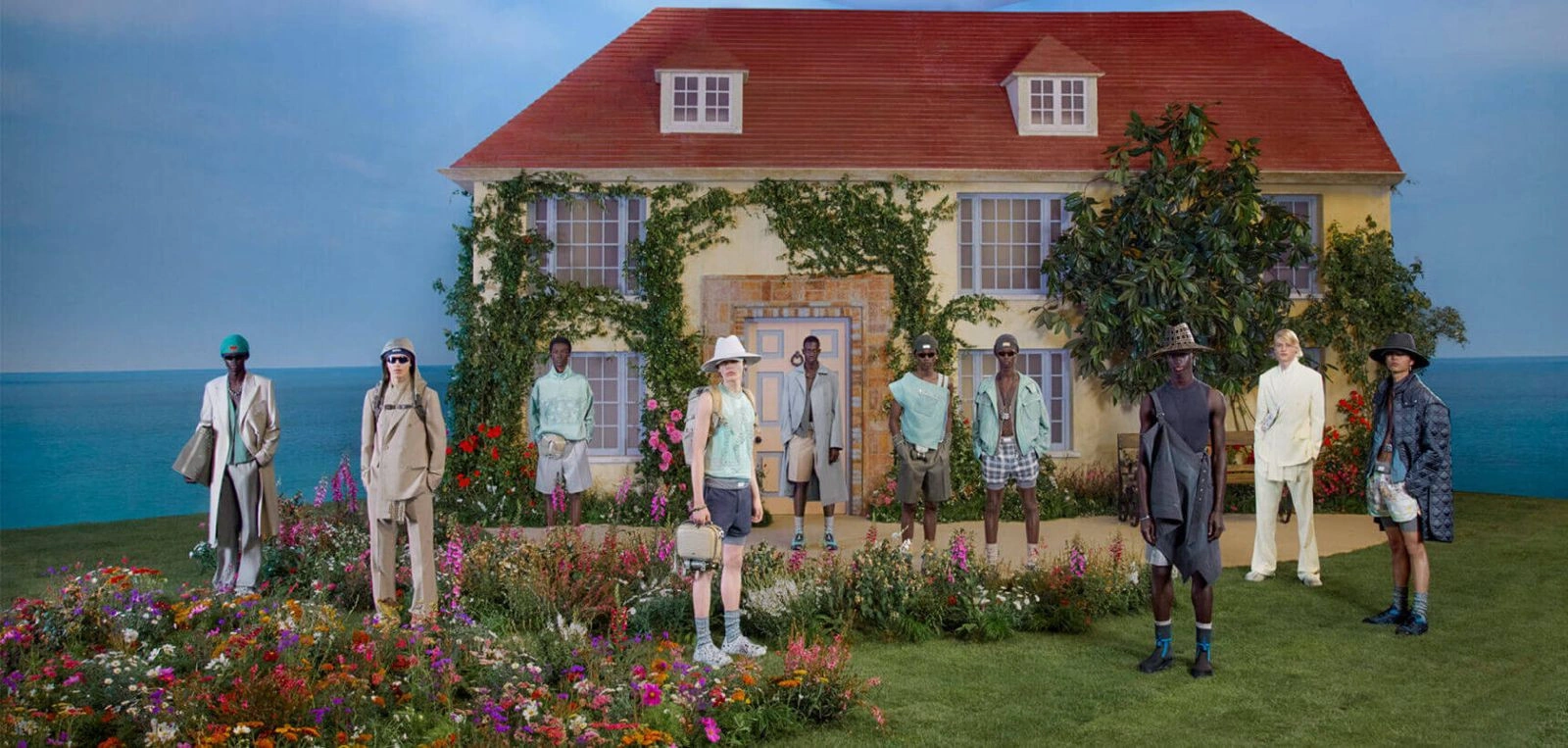
A reconstruction of Charleston farmhouse for the Dior Men Summer 2023 collection by Kim Jones.
Sussex & Brighton Strategic Authority
-
Official website
Official website of the Strategic Authority. 'Working together with East Sussex County, West Sussex County and Brighton & Hove City councils, we want every part of Sussex to thrive - securing more fun…
Official website of the Strategic Authority. 'Working together with East Sussex County, West Sussex County and Brighton & Hove City councils, we want every part of Sussex to thrive - securing more funding from government and the private sector with local people getting a bigger say in how it’s spent.'
Sussex wide and Regional Policy, Strategies and Plans
-
Fairer, Greener, More Productive: An Economic Plan for Brighton & Hove 2024–2027
Brighton and Hove City Council. Economic framework for inclusive growth, employment, investment and the city’s strengths including creative industries.
-
Unleashing the Potential of Our Creative Industries: Putting Talent First (2024)
Greater Brighton and Coastal West Sussex. Regional creative-industries vision focused on talent, enterprise and stronger creative corridors. The link is to the Greater Brighton annual report containin…
Greater Brighton and Coastal West Sussex. Regional creative-industries vision focused on talent, enterprise and stronger creative corridors. The link is to the Greater Brighton annual report containing the vision.
-
East Sussex Cultural Prospectus: Culture and Collaboration – Our Shared Commitments for East Sussex (2026)
East Sussex County Council + Culture East Sussex. Place-wide cultural priorities and partnership commitments feeding directly into Sussex alignment.
-
From West Sussex to the World: A Cultural Snapshot (2026)
West Sussex cultural sector partners. Prospectus identifying strategic investment priorities and culture’s cross-policy contributions.
-
Position Paper: Creative Healthier Lives – Arts in Public Health (2023)
East Sussex County Council Public Health paper. Demonstrates the positive impact that arts and creativity can have on our individual and collective health and well-being, and our ability to live rich,…
East Sussex County Council Public Health paper. Demonstrates the positive impact that arts and creativity can have on our individual and collective health and well-being, and our ability to live rich, meaningful lives.
-
Visitor Economy Strategy for Growth 2024-2034
Sussex and Brighton Local Visitor Economy Partnership. Region-wide priorities for destinations, experience development, collaboration, sustainable travel, skills and cultural/heritage tourism.
-
Local Skills Improvement Plan 2026-2029 (2026)
An employer-led framework approved by Skills England and the Secretary of State, managed and delivered by the Sussex Chamber of Commerce through Future Skills Sussex. Includes a commitment to further…
An employer-led framework approved by Skills England and the Secretary of State, managed and delivered by the Sussex Chamber of Commerce through Future Skills Sussex. Includes a commitment to furthering green and sustainability skills for environmental sustainability and climate resilience across the workforce, supported by leadership capability to turn sustainability ambitions into practical action. This opens opportunities for traditional and heritage construction skills to be included within this priority area. LSIP key sectors listed includes creative and cultural industries – identified as an area of economic strength for Sussex.

Pallant House Gallery, Chichester.
Key Government Policy
-
English Devolution White Paper, Dec 2024
Outlines future aims to shift power away from Whitehall and embed local devolution across all of England, including: ‘Devolution by default’ - Creation of Strategic Authorities- Expanded mayoral powe…
Outlines future aims to shift power away from Whitehall and embed local devolution across all of England, including: ‘Devolution by default’ - Creation of Strategic Authorities- Expanded mayoral powers - Local Government Reorganisation. References the potential for mayors to coordinate major cultural activities in partnership. Specifically connects the growth mission for strategic authorities with “boosting culture, heritage and the visitor economy”, supporting close integration with Arms Length Bodies such as Historic England. Identifies the “UK’s culture, heritage, sport, and tourism are vital anchors in regional economies and among the fastest growing industries with huge potential to drive local economic growth and create opportunities for people in every part of the UK.”
-
The UK's Modern Industrial Strategy, Nov 2025
A 10-year plan launched by the government in June 2025 to boost business investment, lift productivity, and achieve sustainable economic growth across the country. Identifies 8 ‘frontier sectors’, cur…
A 10-year plan launched by the government in June 2025 to boost business investment, lift productivity, and achieve sustainable economic growth across the country. Identifies 8 ‘frontier sectors’, currently representing 32% of the economy, with potential to further drive economic growth: Advanced manufacturing; Clean Energy Industries; Creative Industries; Digital and Technologies; Financial Services; Defence; Life Sciences; Professional and Business Services Outlines the ambition to increase annual creative industries business investment from £17 billion to £31 billion by 2035, enhancing the UK’s position as a global creative superpower. Provides a supplementary definition of the creative industries by sub-sector in the context of the Strategy. Music, Performing and Visual Arts alongside advertising and marketing, film and TV and video gaming identified as prioritised within the frontier industries. Supports the growth of creative clusters. Advocates for partnerships between creative leaders, companies, mayors, trade associations, universities and colleges to implement the Strategy and create a pipeline of future talent.
-
Levelling Up and Regeneration Act (2023)
Arts, heritage, culture and/or creative industries interest/relevance: Places various heritage assets on a statutory footing, with heritage preservation or enhancement carrying substantially more leg…
Arts, heritage, culture and/or creative industries interest/relevance: Places various heritage assets on a statutory footing, with heritage preservation or enhancement carrying substantially more legal weight during planning appeals and development assessments. Establishes a broader framework / principle linking cultural infrastructure with regeneration and civic pride. Introduces measures to address high street regeneration, including High Street Rental Auctions for vacant high street buildings. Defines “environmental protection” as protection of the natural environment, cultural heritage and the landscape from the effects of human activity, and includes maintenance, restoration, enhancement within the definition. Provides a definition of ‘cultural heritage’ as “any building, structure, other feature of the natural or built environment or site, which is of historic, architectural, archaeological or artistic interest” in the context of the Act. Establishes the principle that all relevant authorities must ‘seek to further’ the purposes of National Parks in England, specifically “conserving and enhancing the natural beauty, wildlife and cultural heritage of the area comprised in the National Park”. To note: many of the Act’s core heritage elements require secondary legislation to officially take effect. The exact rollout timeline remains dependent on government execution and public consultations.
-
Skills England: Driving Growth and Widening Opportunity (2024)
Sets out a strategic plan to tackle persistent labour shortages and boost national productivity. Sets out to support youth employability and work-readiness by identifying labour shortages, high growt…
Sets out a strategic plan to tackle persistent labour shortages and boost national productivity. Sets out to support youth employability and work-readiness by identifying labour shortages, high growth/potential development areas for future workforce, aligns with economic priorities and seeks to inform funding and investment priorities.
-
Get Britain Working White Paper (2024)
Outlines employment, health, and skills system reforms to tackle high levels of economic inactivity. Recognises the role that sports, arts and culture play in society, to the economy and in deliverin…
Outlines employment, health, and skills system reforms to tackle high levels of economic inactivity. Recognises the role that sports, arts and culture play in society, to the economy and in delivering inspirational work with young people. Recognises the role of sports, arts and culture in providing young people with opportunities to build skills and confidence resulting in pathways to experience, qualifications and jobs: “We believe all young people deserve the opportunity to thrive and that sports, arts and culture are crucial to achieving this goal”. Reiterates the commitment to a UK Industrial Strategy, which includes creative industries as a priority sector.
-
National Planning Policy Framework (2026)
An updated National Planning Policy Framework (NPPF) was published by the UK government in August 2026, replacing the December 2024 version. Explicitly acknowledges that development can enhance herit…
An updated National Planning Policy Framework (NPPF) was published by the UK government in August 2026, replacing the December 2024 version. Explicitly acknowledges that development can enhance heritage significance (e.g., revealing, restoring, or better securing assets) and states that such proposals should be actively supported. Named energy-efficiency measures, low-carbon heating systems, and the long-term reuse of vacant or underused listed buildings are explicitly referred to as public benefits. The framework now grants local decision-makers the subjective power to decide if an unscheduled archaeological asset is of equivalent significance to a scheduled monument based on local evidence. If they deem it equivalent, it instantly receives the high-level protections reserved for scheduled monuments.
-
English Devolution and Community Empowerment Act (2026)
Restructures local and regional governance in England to shift powers away from Whitehall and create regional strategic authorities and standardising mayoral powers. Embeds statutory recognition for…
Restructures local and regional governance in England to shift powers away from Whitehall and create regional strategic authorities and standardising mayoral powers. Embeds statutory recognition for culture as an official pillar of regional authority responsibilities alongside areas such as transport, housing, and skills. Mandates mayors to champion local arts, creative businesses, and heritage assets. Communities a stronger chance to save and manage local cultural assets through Community Right to Buy provisions. Aligns culture as a co-opportunity/enabler of delivery across the wider competencies, i.e. for skills, health, economic growth etc. Infers a recognition that culture delivers regeneration, civic pride and innovation.
-
Rewiring the State: Cabinet Statement (2026)
Outlines the government’s intention to implement a major plan to shift power, funding, and accountability from Whitehall to local leaders and combined authorities across England. Intention to ensure…
Outlines the government’s intention to implement a major plan to shift power, funding, and accountability from Whitehall to local leaders and combined authorities across England. Intention to ensure greater regional autonomy in identifying, directing and prioritising cultural and sporting investment. Introduces the potential for funding currently operated through Arms Length Bodies such as Arts Council England and Sport England to devolve to regional level. References the intention that devolved powers seek to ensure “cultural funding decisions are taken outside of political interference.”
-
Construction Jobs Plan (2026)
Seeks to tackle sector skills shortages and support major national infrastructure and housing goals. Recognises that the devolution of skills and labour market funding will create opportunities for t…
Seeks to tackle sector skills shortages and support major national infrastructure and housing goals. Recognises that the devolution of skills and labour market funding will create opportunities for tailored provision to local needs across traditional, technical and professional occupations. This opens the opportunity to imbed heritage craft and construction skills within regional skills programmes to ensure (1) maintenance of historic character, (2) support for retrofit and adaptation skills for existing building stock where this is historic/pre-1919, and (3) support cross over between construction and wider green skills opportunities. Recognises the need for interdisciplinary workforces, where emerging capabilities should not be treated as separate from traditional construction skills. Provides best practice examples from Wales where support for traditional construction trades sits equal to and alongside modern methods of construction, digital construction skills and the specialist skills needed to deliver energy independence and housing retrofit ambitions.
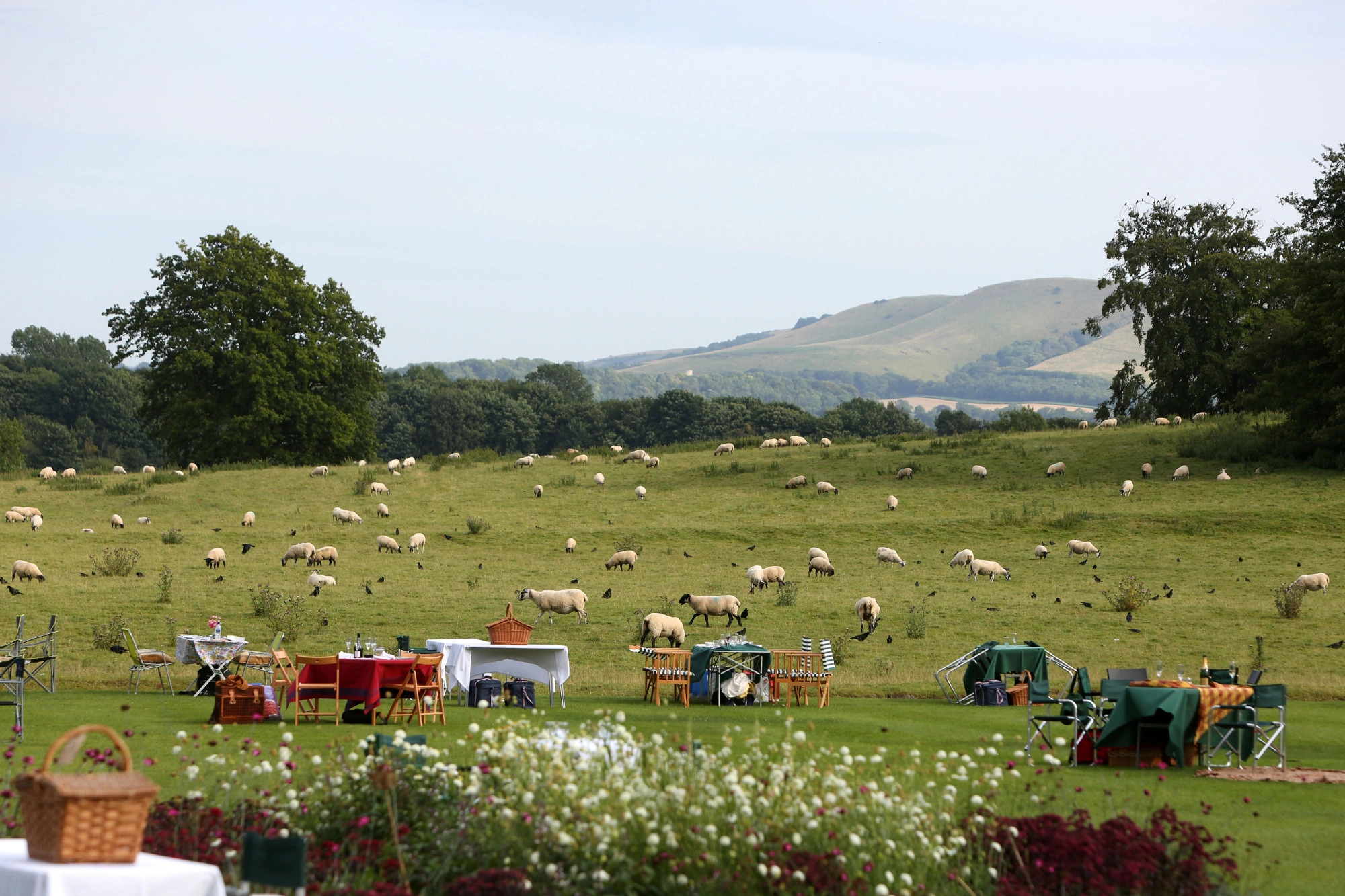
Glyndbourne. Photo Sam Stephenson
National Sector Strategies, Plans and Reports
-
National Lottery Heritage Fund: Heritage 2033 (2023)
A 10-year strategy, setting the framework for investment of approx. £3.6 billion of National Lottery funding into UK heritage. Supported by three year delivery plans, reviewed annually, the strategy…
A 10-year strategy, setting the framework for investment of approx. £3.6 billion of National Lottery funding into UK heritage. Supported by three year delivery plans, reviewed annually, the strategy outlines four key priorities: Saving Heritage: Conserving heritage assets for the present and future. Protecting the Environment: Supporting nature recovery and long-term environmental sustainability. Inclusion, Access and Participation: Expanding diversity, engagement, and community access. Organisational Sustainability: Building adaptive, financially resilient organizations
-
Creative Industries Sector Plan (2025)
Linked to the UK Industrial Strategy. Outlines a national framework for creative-business growth, skills, innovation, access to finance and regional clusters. Recognises the value of creative ecosyst…
Linked to the UK Industrial Strategy. Outlines a national framework for creative-business growth, skills, innovation, access to finance and regional clusters. Recognises the value of creative ecosystems that bring subsectors and skills together.
-
Heritage Creates: Heritage and the Creative Industries (2025)
Heritage Alliance report and case studies - Recognises the value of creative ecosystems that bring subsectors and skills together.
-
Pride in Place Strategy (2025)
Setting out a UK government community regeneration policy, seeking to establish long-term, locally led investment managed by community boards. Associates cultural and heritage assets and stories as l…
Setting out a UK government community regeneration policy, seeking to establish long-term, locally led investment managed by community boards. Associates cultural and heritage assets and stories as linked to “restoring dignity and instilling a shared pride in communities”. Recognises the role of heritage in delivering greener neighbourhoods, delivering health, wellbeing, increased biodiversity and climate adaptation. Widens the definition of ‘an asset of community value’ so more cultural and heritage assets fall within the scope of policy change. Cites the value of civic museums and the need to improve access to collections and buildings to ensure long term public benefit from arts and culture into the future.
-
Industrial Strategy Zones Action Plan (2025)
Plan unifies 22 regional Freeports and Investment Zones across England, Scotland, Wales, and Northern Ireland into a single coordinated framework. Also establishes some key principles around the crea…
Plan unifies 22 regional Freeports and Investment Zones across England, Scotland, Wales, and Northern Ireland into a single coordinated framework. Also establishes some key principles around the creation of investment zones and regeneration. Directly associates the creation of ‘investable sites and places’ and ‘Industrial Strategy Zones’ with regeneration, including repurposing heritage sites. Establishes opportunities for the principles of strategic investment zones to further the UK Industrial Strategy ‘frontier industries’ through spatial planning re regeneration, clusters etc. Creative Industries is one of the frontier industries identified.
-
Historic England Strategic Plan 2026-2031 (2026)
Sets out how Historic England will focus expertise and resources to deliver the greatest public value. Central premise is that positively contribute to addressing pressing societal issues: Supporting…
Sets out how Historic England will focus expertise and resources to deliver the greatest public value. Central premise is that positively contribute to addressing pressing societal issues: Supporting places and communities; Creating good homes; Supporting workforce skills and routes to employment; Contributing to good growth. Three headings of Growth, Place, Sector outline priorities and approaches including: Imbedding heritage into Local Growth Plans and skills pathways Support community led place-based regeneration through heritage assets, including reviving heritage assets for community benefit. Supporting organisations who provide heritage stewardship at regional and local level, with a focus on providing leadership, building capacity and supporting a more integrated and thriving heritage ecosystem.
-
Arts Council England: New Strategic Framework (2026)
Serving as an interim guide, replacing the previous 10-year strategy, Let’s Create 2020-2030. It acts as a guide to investment decisions while a new long-term strategy is developed. Outlines three in…
Serving as an interim guide, replacing the previous 10-year strategy, Let’s Create 2020-2030. It acts as a guide to investment decisions while a new long-term strategy is developed. Outlines three interim investment principles: - Support excellence (across output, practice or engagement) - Deliver for everybody (Everybody, regardless of background, should be able to see themselves in the work supported by Arts Council England. Additionally, particular stress is placed on the development of creative interests among children and young people). - Reach everywhere (address uneven distribution of funding and opportunities to engage with culture). “We are required to respond to the policy priorities of the Government… through our services and our development work.”

Phoenix Art Space. Photo Phoebe Wingrove
Sussex-wide culture-led Initiatives
-
Sussex Modern
Founded in 2017, Sussex Modern is an independent business consortium with a distinctive voice and an agile approach. We work to build a new narrative for Sussex, which will bring visitors and investme…
Founded in 2017, Sussex Modern is an independent business consortium with a distinctive voice and an agile approach. We work to build a new narrative for Sussex, which will bring visitors and investment to the region by celebrating the county’s unique contribution to modern culture and experiences.
-
Sussex Music Hub
Sussex Music Hub is a partnership of organisations, schools and communities across Brighton & Hove, East Sussex and West Sussex, that ensures every child and young person can experience the life-chang…
Sussex Music Hub is a partnership of organisations, schools and communities across Brighton & Hove, East Sussex and West Sussex, that ensures every child and young person can experience the life-changing benefits of music.
-
Coastal Catalyst
Coastal Catalyst brings together young people, employers, educators, cultural organisations, youth workers and local employers to create clearer, more inclusive routes into creative careers and future…
Coastal Catalyst brings together young people, employers, educators, cultural organisations, youth workers and local employers to create clearer, more inclusive routes into creative careers and future-focused work. We connect young people aged 14–25 with creative opportunities, workplace experiences, skills development and career pathways across the Sussex Coastal Corridor – from Bognor Regis to Bexhill.